
Do Online Makeup Courses Actually Work? An Honest Look

Yes, online makeup courses work, but only under two conditions: the course has to offer real, personalized feedback on your work, and you have to put in the practice. Format alone does not make or break your career. A structured online program with instructor critique will take you further than an expensive in-person class you sleepwalk through, and it will take you further than a thousand free YouTube videos with no one correcting your mistakes.
The skepticism is understandable. It is widely assumed that you cannot learn a hands-on craft like makeup from home, especially with no prior experience. But thousands of working makeup artists trained online, and one of them went from self-taught hobbyist to published in Harper's Bazaar. This guide gives you the honest answer: what online training can and cannot do, what separates a course that works from one that wastes your money, and how to make sure you are in the group that succeeds.
In this guide, you'll learn:
Whether you can genuinely learn professional makeup skills online
What separates an online course that works from one that does not
A real graduate's path from self-taught to agency-represented editorial artist
How to get the most out of an online course, and the mistakes that cause people to fail
Do Online Makeup Courses Actually Work?
Online makeup courses work when two things are true: the training is structured and includes personalized feedback, and the student practices consistently. Remove either one and results fall apart. This is why the same question gets opposite answers online. People who treated a course as passive video-watching say it did nothing. People who practiced daily and submitted their work for critique say it changed their career.
The reason online works for makeup specifically is that makeup is a skill you build through repetition and correction, not through sitting in a physical room. What you actually need is clear instruction, a way to practice on real faces, and an expert who reviews your work and tells you exactly what to fix. A well-built online program delivers all three. In fact, makeup artistry is unregulated in most US states, which means there is no legal requirement to attend an in-person, licensed school to work as a makeup artist. You can confirm the rules for your area in our guide on makeup artist licensing before you enroll anywhere.
Can You Really Learn Makeup Online Without In-Person Classes?
Yes, and the biggest fear (that you cannot practice without a classroom) turns out to be the easiest to solve. The practice is just as real, it simply happens in your own space. You practice on yourself, on friends, and on family, which is exactly how in-person students build their early hours too. What matters is that someone qualified reviews that practice and corrects it.
Heloisa Evangelista, a self-taught artist who enrolled in Master Makeup Program, had this exact worry. Her solution was simple: she recruited the people around her. In her words, "My only fear was practicing, since I was studying after work and late, but everything worked out. I got my mom, sister, and friends to do their makeup." She built her skills on real faces, on her own schedule, and it worked.
The one area where online can actually be stronger is depth of feedback. A pre-recorded lesson can be paused, replayed, and rewatched until a technique clicks, which a live demo cannot. Pair that with written or video critique on your submissions and you get a tighter learning loop than a crowded classroom often allows. (For a full side-by-side breakdown of the two formats, see our guide on online makeup school vs in-person beauty school.)


What Separates an Online Course That Works From One That Doesn't?
The single biggest factor is personalized feedback. A course that only sells you pre-recorded videos leaves you guessing whether you are improving or reinforcing bad habits. A course that reviews every assignment closes that gap. When evaluating any online makeup program, look for these markers of one that actually works:
The checklist for a course worth your money
Personalized feedback on every submission. This is non-negotiable. You need an instructor telling you what to fix, not just content to consume. A structured, sequential curriculum. Lessons should build on each other, from color theory and skin prep through to professional client work, not a random pile of tutorials. A professional kit and clear certification. Reputable programs ship a working kit and grant a certification recognized across the industry, often with pro discount card access on graduation. Real student proof. Look for named graduate outcomes and honest reviews, not just marketing claims. You can read unfiltered feedback on our student reviews page.
This is the model Online Makeup Academy is built on, and it is why we are the only makeup school that returns an individual video response for every assignment you submit, for life, as both a student and a working graduate.
From Self-Taught to Harper's Bazaar: A Real Graduate Story
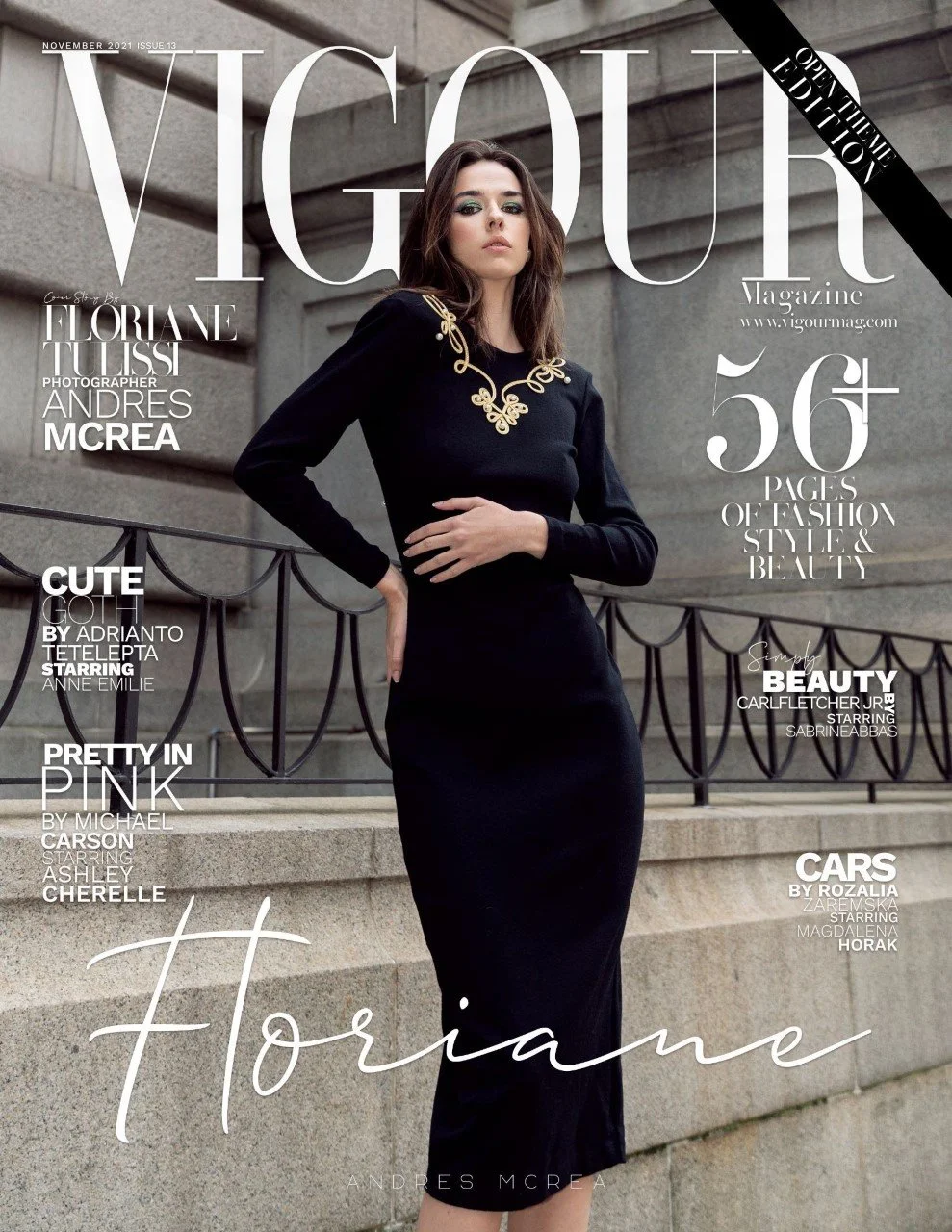
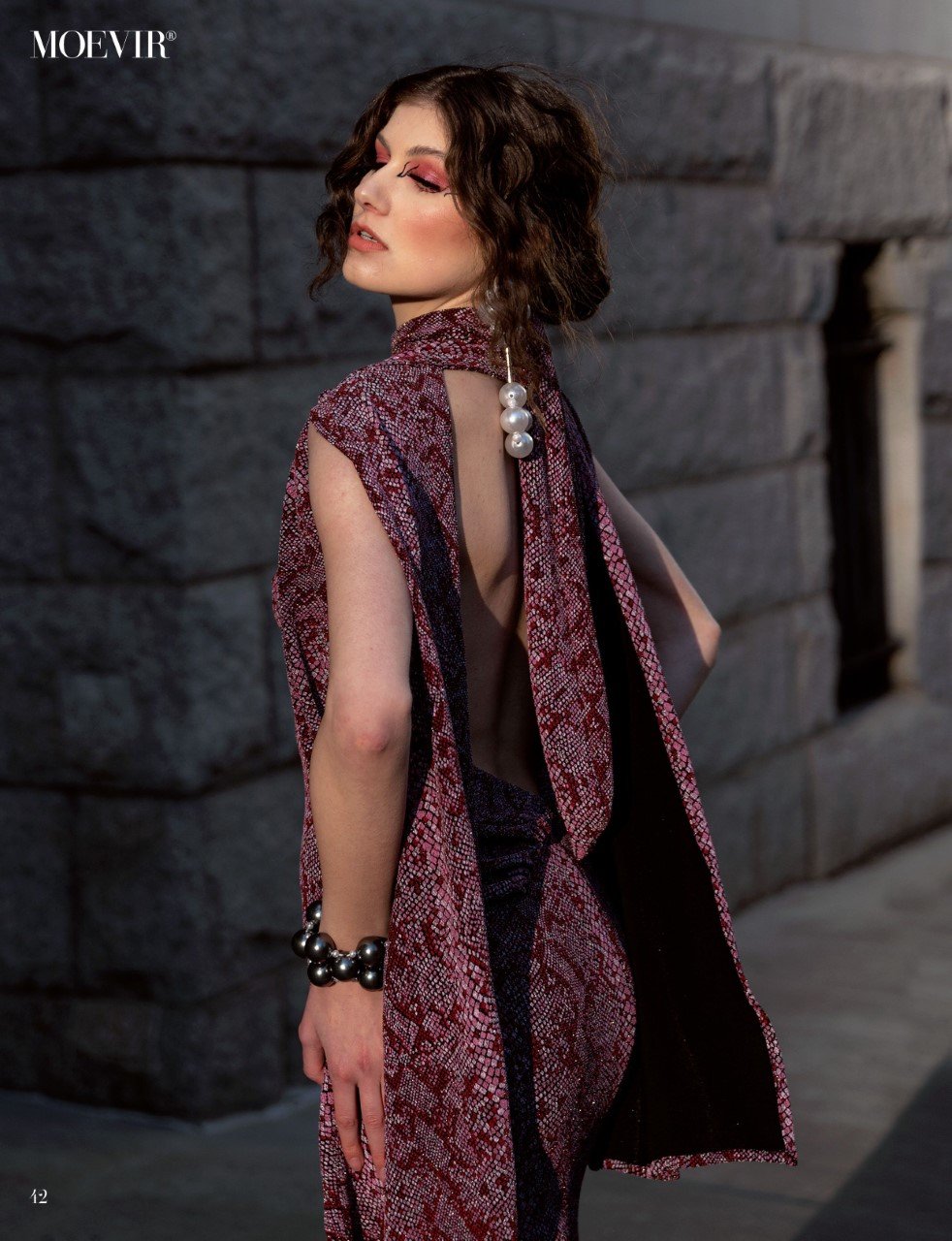
Here is what "it works" looks like in practice. Heloisa Evangelista started as a self-taught artist with a deep love for makeup and no formal training. She had been a model since age fifteen, learned to do her own makeup, and wanted to turn that passion into a certified career. She enrolled in the Online Makeup Academy Master Makeup Program while working a full-time job and studying late at night.
Within a year of building her portfolio, her results speak for themselves. She now works at Sephora, shoots fashion editorials, has signed with an agency that represents her, books celebrity clients, and has been published in worldwide magazines including Harper's Bazaar, with three magazine covers in under three months. As she puts it, "My Harper's Bazaar publications are definitely the epic point of my career." On the training itself, she added, "After taking the course I learned a lot and also got a chance to build amazing connections to grow my portfolio."
The part of her story that matters most for skeptics is how personal the online experience felt. Before enrolling, she read other students' reviews and researched the instructors through their social media, and the teaching itself changed her mind about online learning. In her words, "I loved how each class was focused on the technique and the level of intimacy the instruction had. I felt like I was in school. I was very pleased with the support I had every time I had questions and when I sent my homework to be reviewed. It was quick replies and very useful explanations." That is the feedback loop doing its job.
Two more details show how online training translated into real, varied, paid work. First, she leaned into skin, which is exactly what editorial work rewards: "A well corrected skin is the key for photographers always calling you back. I specialized in skin and cut the editing work to almost zero." Second, signing with an agency brought real professional footing, in her words "taxes paid properly, a W-2, and insurance," which matters for commercial and video shoots. She also turned a holiday job at Sephora into a permanent role, where, she says, "I get to help clients feel empowered and teach them a bit of skincare so they can achieve that flawless natural look."
“After taking the course I’ve learned a lot and also I got a chance to build up amazing connections to grow my portfolio.”
In Heloisa's words: advice for new students
Her path was built on preparation, not luck. "When I was thinking about switching my profession to makeup artistry, I studied first. I did mentorship as well. I took in all I could, from new techniques to lasting makeup, before fully jumping into the industry," she says. Her message to anyone considering the same leap is simple: "To all makeup lovers and new students, never give up, follow your passion, study, and work hard." Her goals now stretch from editorial covers to something bigger, including a dream to one day glam up cancer patients to help them feel empowered.




How Do You Get the Most Out of an Online Makeup Course?
Getting results from an online course is almost entirely about how you use it. The students who succeed follow the same pattern. Do these seven things and you put yourself in the group that comes out working.
Treat it like a job, not a Netflix binge. Schedule regular practice time and protect it. Heloisa gave herself an hour of study and practice daily, even after full work shifts.
Do every assignment and submit it for feedback. The critique loop is where growth actually happens. Skipping submissions is skipping the most valuable part of the course.
Practice on real faces. Work on friends, family, and yourself across a range of skin tones and face shapes. Volume and variety build competence and speed.
Learn skin first. Flawless, well-prepped skin is what makes work photograph well and keeps clients and photographers rebooking you. Master it before chasing trends.
Build a portfolio as you go. Photograph every look in good light and collaborate with new photographers to trade services for professional images. Your portfolio, not your certificate, is what books jobs.
Use your instructor and mentorship. Ask questions, send work for review, and take advantage of lifetime mentoring if your program offers it. A good mentor shortens the road significantly.
Get your pro cards and start booking early. Apply for pro discount cards to build your kit affordably, and take small paid jobs while you learn to gain real-world experience.
Do Clients and Employers Care That You Trained Online?
In the vast majority of cases, no. Clients, agencies, and production teams hire makeup artists based on their portfolio and professionalism, not the format of their training. Nobody books an artist because of where the certificate came from. They book the artist whose work looks the best and who is reliable on set. This is the core reason online training holds up: the industry judges output, not pedigree.
Certification still has value. A recognized certificate signals that you completed structured, professional training, and it unlocks practical perks like pro discount cards with major beauty brands. It simply is not the thing that gets you hired, your work is. Because makeup artistry is unregulated in most US states, a focused, certified online program is a legitimate and efficient path into paid work, especially for bridal, editorial, freelance, and commercial makeup.
What Mistakes Cause Online Makeup Courses to Fail?
When an online course does not work for someone, the cause is almost always in how they approached it, not the format itself. Avoid these and you avoid nearly every reason people say online did not work for them:
Treating lessons as passive viewing: You learn makeup by doing, not by watching. Watching a lesson without picking up a brush afterward builds zero skill.
Skipping the practice and the homework: This is the number one reason people fail to improve. The course provides the map; the reps are on you.
Choosing a course with no personalized feedback: Pre-recorded-only programs leave you guessing. Without correction, you reinforce mistakes instead of fixing them.
Relying on random YouTube tutorials instead of structured training: Scattered free videos teach conflicting techniques with no one to correct you, which often builds bad habits you later have to unlearn.
Expecting overnight results: Real skill takes months of consistent practice. Artists who quit early rarely gave the work enough time.
Never building a portfolio: A certificate with no body of work behind it will not book clients. Document everything you create from day one.
How Online Makeup Academy Combines Online Flexibility With Real Feedback
Online Makeup Academy was founded in 2016 by professional makeup artist Nina Mua to make industry-standard training accessible, and more than 50,000 students worldwide have trained with us since. Our model is designed to deliver the strengths of both worlds: self-paced video lessons you can replay as often as you need, plus a personalized video critique on every single assignment you submit, for life. The Master Makeup program is the comprehensive foundation every artist needs, and the Elite Career Path program goes deeper on the business, portfolio, and career skills that turn training into bookings.
Everything is online and flexible enough to fit around a job or family, and payment plans make it realistic to start now. If Heloisa's path resonates with you, the next step is simply to begin.


Frequently Asked Questions About Online Makeup Courses
Are online makeup courses worth it?
Yes, when the course is reputable and you commit to the practice. A structured program with personalized feedback costs a fraction of in-person beauty school, fits around your schedule, and can lead to real paid work. The value comes from the feedback loop and your own consistency, not from the format.
Can you become a professional makeup artist online?
Yes. Many working professionals trained online and now do bridal, editorial, freelance, and commercial makeup. Because clients and agencies hire on the strength of your portfolio rather than where you studied, online training that builds real skill and a strong portfolio is a legitimate route into the profession.
Do you get a certificate from an online makeup course?
Reputable online programs grant a certification recognized across the industry, often with pro discount card access on graduation. The certificate signals completed professional training and opens doors, but remember that your portfolio and your work are what actually book jobs.
How long does an online makeup course take?
Most quality online programs are self-paced, with certifications achievable in roughly eight to twelve weeks of focused work, or up to a year if you are balancing other commitments. You set the pace, which is part of why online works so well for career-changers and busy schedules.
Do you need a license to work as a makeup artist?
In most US states, makeup artistry is unregulated, so you do not need a cosmetology license to work as a makeup artist. Requirements vary by location, so always confirm the rules with your local board first. Our licensing guide breaks this down state by state.
The Bottom Line
Online makeup courses absolutely work, provided the program offers real personalized feedback and you put in consistent practice. The format is not the deciding factor, the feedback loop and your effort are. Heloisa's path from self-taught hobbyist to agency-represented editorial artist published in Harper's Bazaar is proof that online training, done right, builds a genuine career.
Ready to take your makeup skills to the next level? Explore Online Makeup Academy's programs →
About the Author: Nina Mua is the Founder of Online Makeup Academy, a professional makeup artist and beauty educator who has helped more than 50,000 students worldwide train for careers in makeup artistry. She built OMA's feedback-first model to combine the flexibility of online learning with the personal instruction serious artists need. | Last updated: July 2026