
Sensory-Friendly Makeup: How to Serve Neurodivergent Clients

MEET JENNA NORD
The Online Makeup Academy Graduate, who reveals the delicate art of navigating the personal spaces of clients and the transformative power of her craft
Yes, autistic and ADHD clients can absolutely enjoy makeup. The difference is not the products on your tray, it is how you work. Sensory-friendly makeup is a way of applying and communicating that lowers sensory load, invites the client into the process, and treats comfort as part of the result. For a professional artist, learning it is not a niche add-on. It widens who can sit in your chair, it earns fierce loyalty, and it makes you the person people trust with an experience that is often surprisingly intimate. This guide breaks down the mindset, the station setup, the product choices, and the exact chair-side language that turn a nerve-wracking appointment into a calm one.
Much of what follows is grounded in the practice of Online Makeup Academy graduate Jenna Nord, who blends professional artistry with a working knowledge of psychology and has built her reputation on making every client feel safe, bolstered, and seen.
In this guide you'll learn:
What sensory-friendly makeup means and who benefits from it
How to set up a low-stimulation station, step by step
Which product textures and formulas cause the fewest sensory problems
The chair-side questions that build trust with autistic and ADHD clients
Common mistakes that quietly cost you neurodivergent clients
Where formal training fits into becoming an inclusive artist
What does sensory-friendly makeup actually mean?
Sensory-friendly makeup means adapting both your technique and your environment so that touch, smell, sound, and light do not overwhelm the person in your chair. Sensory sensitivity affects an estimated 90 to 95 percent of autistic people, and it is common in ADHD and other neurodivergent profiles too. A scratchy glitter, a strong fragrance, an aerosol hiss near the face, or the simple pressure of a brush on a closed eyelid can tip a client from relaxed to distressed in seconds.
The practice rests on two pillars. The first is reducing the raw sensory input: lighter formulas, unscented products, softer tools, and a calmer room. The second is giving the client control: explaining what is coming, offering choices, and pausing on request. Neither pillar requires expensive gear. Both require attention. Done well, sensory-friendly makeup is invisible. The client simply notices that, for once, getting their makeup done did not cost them anything.
Why should every makeup artist learn inclusive, neurodivergent-aware technique?
Because your clients are already neurodivergent, whether they tell you or not. Many autistic and ADHD adults have spent years avoiding makeup chairs after a bad experience, or they mask their discomfort so well that you never learn why they did not rebook. Learning to read and respond to sensory needs turns that silent churn into repeat business and referrals. Divas do not get callbacks, as Jenna puts it, and neither do artists who leave a client overstimulated and raw.
There is a craft argument too. The habits that serve a sensory-sensitive client, slower pacing, clear narration, genuine consent, make you better with everyone: the nervous bride, the first-time teen, the older client intimidated by modern trends. Inclusivity, at its core, is listening. If you are building toward a full career, pair this skill with the fundamentals in our complete guide to becoming a makeup artist, and look at how graduates have grown their work in our student success stories. Empathy is not soft. It is a competitive advantage.
Who is Jenna Nord, and how did empathy become her signature?
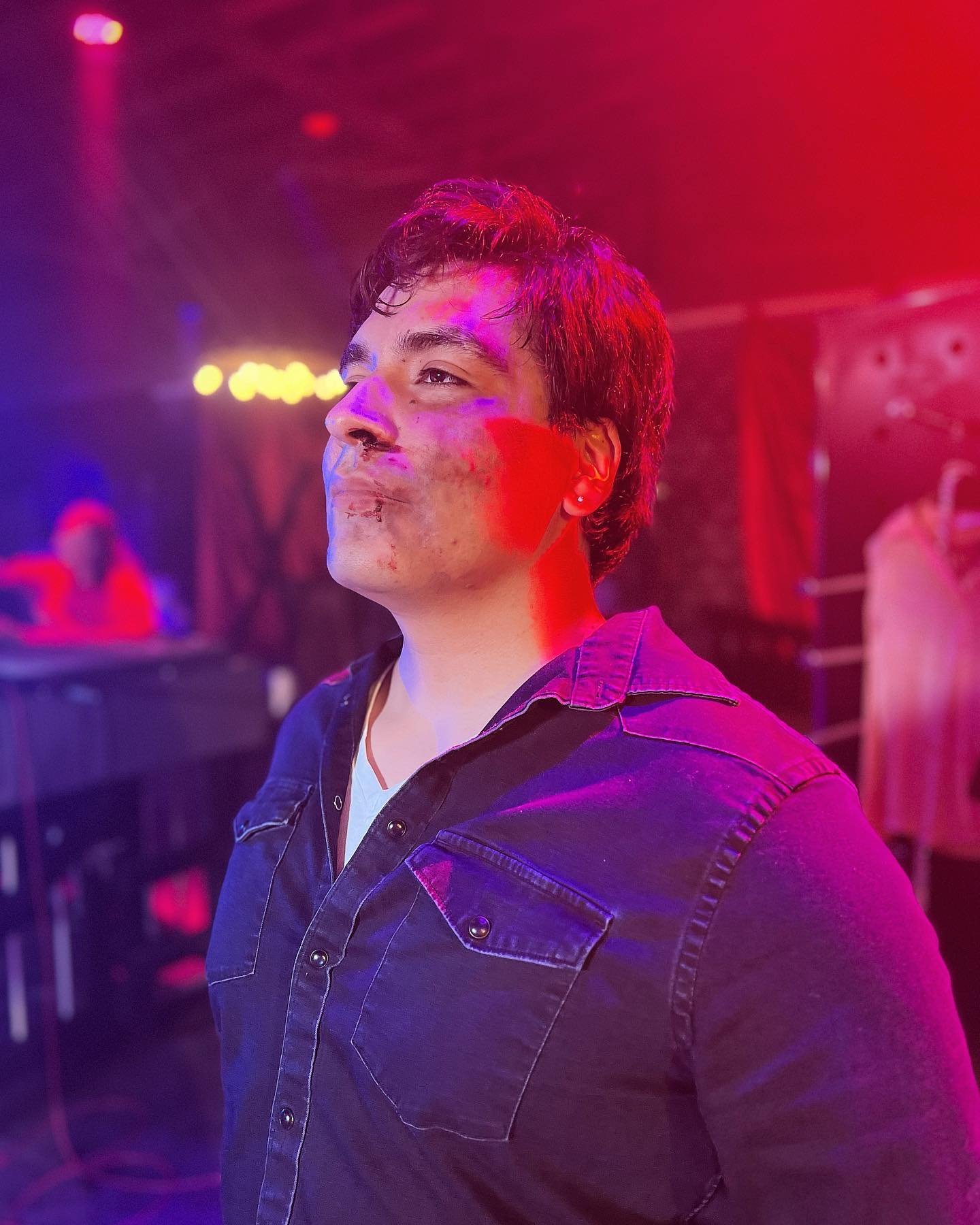
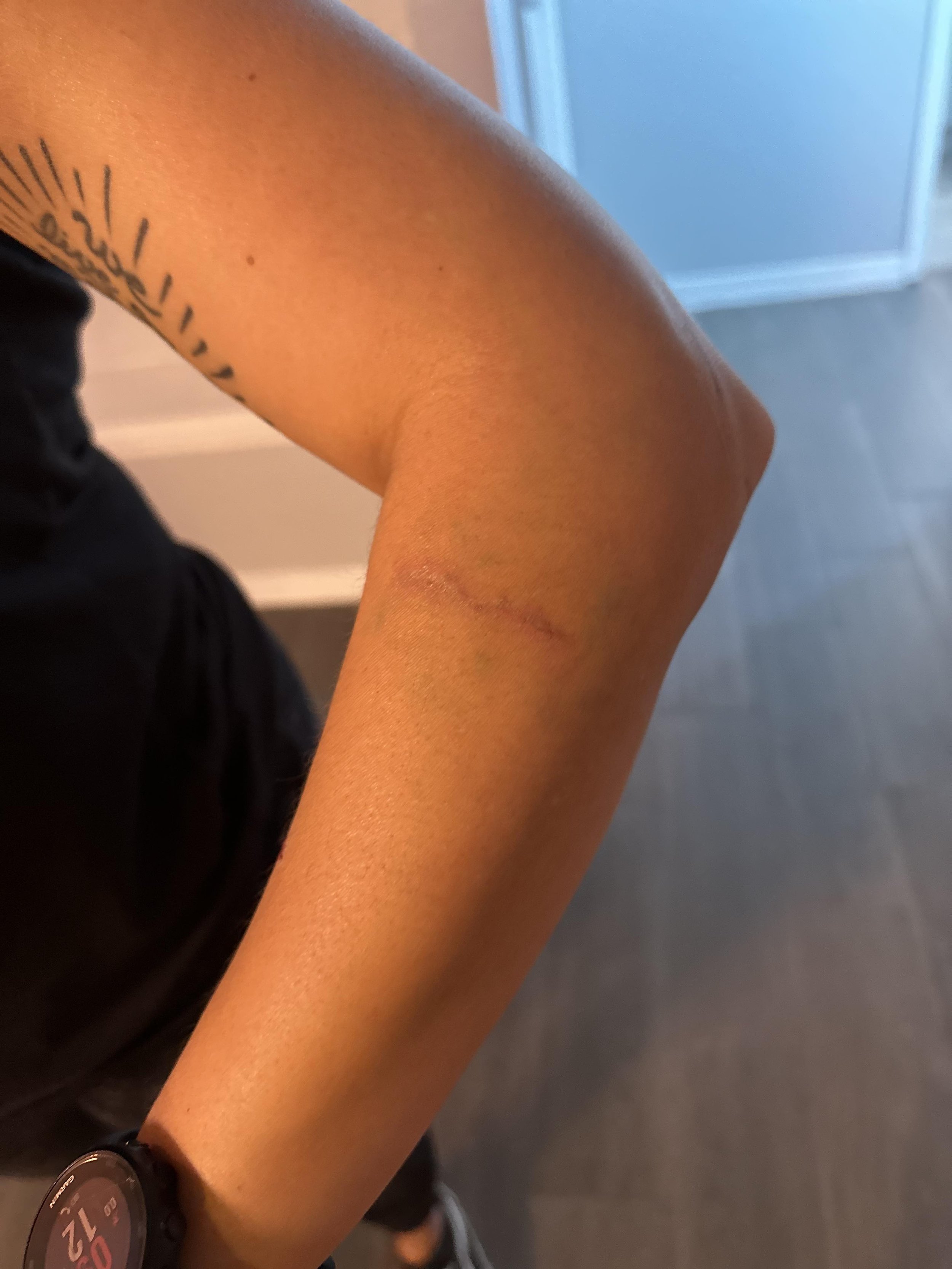
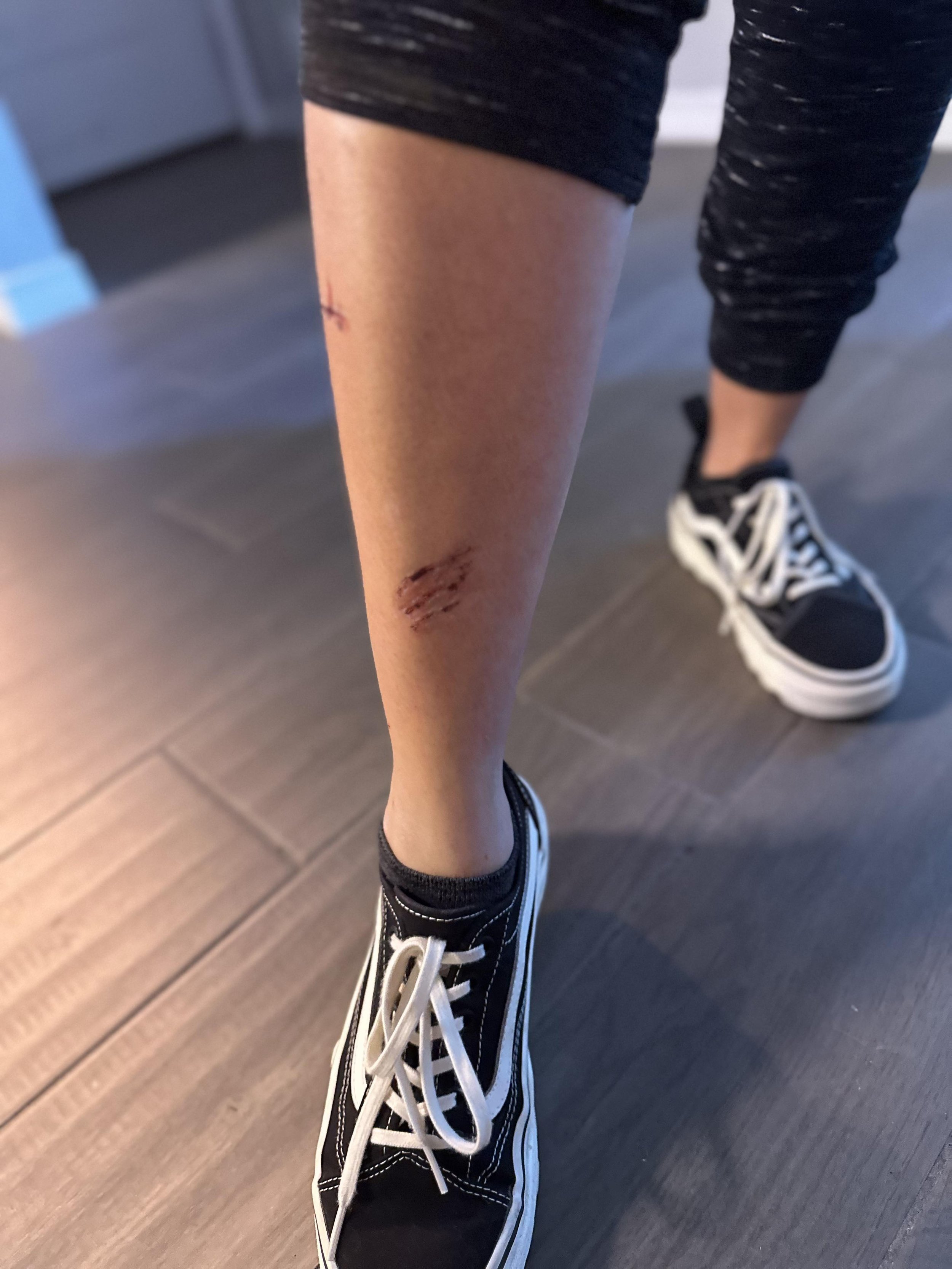
Jenna's path started young. At ten years old she wandered into a neighborhood earthquake emergency drill where a special effects team was giving actors realistic cuts, burns, and broken bones for EMTs to practice on. One of the artists noticed her fascination, sat her down, and taught her to sculpt a compound fracture and a road-burn scrape. She was hooked on the spot. Over the next twenty years she devoured every SFX video she could find, practiced with every goo and paste in the house, and made Halloween her personal Olympics.
Self-teaching online left her, in her words, cast about in the riptides of do this or do that advice. She wanted curated fundamentals and a mentor to critique her work, so she trained formally at Online Makeup Academy. Learning why makeup behaves the way it does on different face shapes, skin types, and eye shapes, rather than mimicking a stranger whose face looked nothing like her client's, is what let her adapt with confidence. That same grounding is what makes sensory-friendly work possible: you cannot improvise around a person's needs until you genuinely understand your craft.
Her other turning point was internal. The biggest roadblocks to working professionally, she says, were fear-based, the familiar loop of what if I am not good enough. A psychologist urged her to be brave, and she realized part of bravery was trusting the practice she had already put in. She walked onto her first film set with one plan: leave the ego at the door, serve the director's vision, and be a calm presence for every actor in her chair. Empathy, for Jenna, is not a soft skill layered on top of makeup. It is the makeup.

How do you set up a sensory-friendly makeup station?
Set it up before the client arrives, because you cannot dim the lights and hunt for unscented wipes while someone is already anxious in your chair. A calm station is the foundation of a calm appointment. Work through it in order:
Soften the light. Swap harsh overhead or ring lighting for warm, diffused light where you can. Bright, flickering light is a common trigger, and glare on a mirror makes it worse.
Cut the noise and smell. Turn off loud music, close the door to busy rooms, and put away anything heavily fragranced. Neutral air matters as much as neutral sound.
Lay tools out in view. Arrange brushes, sponges, and products so the client can see what you will use. Surprise contact is the thing that startles people most.
Pre-select low-stimulation products. Have unscented, lightweight, fragrance-free options ready so you are not reaching for a heavy, perfumed formula by default.
Offer a comfort object and an exit plan. A fidget item, a stress ball, or simply permission to stand and move can transform the session. Tell the client up front that breaks are always allowed.
Position the chair thoughtfully. Give the client a clear line of sight to the door and enough space that they do not feel boxed in or crowded.
None of this takes more than a few minutes, and it signals something before you say a word: this space was arranged with the client in mind.
Which products are the most sensory-friendly?
Texture and scent, not color, decide whether a product feels tolerable. Sensory needs vary from person to person, so treat these as starting points rather than rules, and always confirm with the client. As a general direction, reach for lighter, quieter formulas:
Base: a lightweight tinted moisturizer, CC cream, or thin foundation feels far less present on the skin than heavy full coverage. A water-based moisturizer as a barrier step helps too.
Eyes: soft crayon-style eyeliner avoids the drag of a hard pencil and the wetness of liquid. Sensory-friendly shadows use gentle, non-scratchy particles instead of coarse glitter.
Mascara: tubing mascara is a standout choice. It gives bold lashes without the fallout of falsies, does not flake into the eyes, and rinses off with warm water, so no harsh rubbing at removal.
Lips: a light, unscented lip tint replaces heavy, fragranced lipstick and gloss, which many sensitive clients find both smelly and cloying.
Setting: a setting powder can remove the sticky feeling of cream and liquid products, which is itself a sensory relief for many clients.
One product deserves special care: setting spray. The aerosol hiss and the cold mist near the face are jarring for a lot of people. Rather than spraying by reflex, ask first, and offer to dab the product on with a sponge or to spray from farther away, around ten inches, in gentle motions while the client keeps their eyes closed. If a client is drawn to bold, transformative looks or special effects work, that same consent-first instinct carries straight into prosthetics and latex, which you can explore through our Special FX makeup course.
How do you communicate with a neurodivergent client in the chair?
Narrate, ask, and pause. The single most reassuring thing you can do is remove surprise: say what you are about to do, on which part of the face, and what it will feel like, before you do it. Then hand control back with a question. Jenna keeps a short set of openers ready so the conversation feels natural rather than clinical.
For a client with ADHD, she might ask whether they need to get up and move or fidget during the session, and whether sitting still for long stretches is hard, then build in movement instead of fighting it. For an autistic client, she asks whether there are areas of the face they prefer not to have touched, and how the two of them can work around those areas so the client stays calm. She also invites clients to talk about their special interests, which both relaxes them and builds rapport.
Around specific sensations, she describes before she acts. Before a tight line along the lash base, she explains what a tight line is, describes how the brush will feel against the eye, and asks whether the client would like it done quickly or broken into smaller steps they can tolerate. That pattern, name it, describe the sensation, offer a choice, works for almost any step. And when a client opens up emotionally, as they often do in the quiet intimacy of a makeup chair, the job becomes listening well and validating what you hear, not rushing to finish.
Jenna tells the story of a model who had grown up being cut down and had never believed she was beautiful. As Jenna worked, she kept offering small, genuine observations about the client's eyes, skin, and personality. The woman choked up more than once, asked several times whether Jenna truly meant what she said, and asked for a hug between compliments. Jenna paused the application each time to let her process the emotion. That is the quiet power of the chair: sometimes the makeup is the least important thing happening, and the client leaves feeling seen for the first time in years.
This is also why calm beats flashy. Jenna's biggest wins on set came not from fancy technique but from being a grounding, unhurried presence, the kind of energy an entire room notices. Leave your ego at the door, serve the person in front of you, and the work speaks for itself.
How do you adapt for autism, ADHD, and sensory sensitivities specifically?
Answer-first: you adapt by asking each client what they need rather than assuming a diagnosis dictates one approach. That said, some patterns recur. Autistic clients often have specific tactile no-go zones and strong reactions to smell and unexpected touch, so consent around each area and fragrance-free products matter most. ADHD clients may struggle to sit still or may hyperfocus and lose track of time, so movement breaks, clear time cues, and a predictable sequence help. Clients with broader sensory processing differences may be fine with texture but undone by sound or light, which is why the station setup matters as much as the products.
The realities worth remembering: no two neurodivergent clients are the same, masking means some will hide distress until it becomes overwhelm, and the goal is never to push someone to tolerate more. A five minute look the client feels safe in beats a flawless full face that leaves them frayed. Whether you trained online or in person, these are learnable, coachable skills. If you are weighing formats, our comparison of online versus in-person makeup school lays out the trade-offs.
What common mistakes cost artists their neurodivergent clients?
Most losses are quiet. The client does not complain, they simply do not come back. Watch for these:
Spraying setting spray without warning, so the hiss and mist land as a shock.
Defaulting to heavy, fragranced products because they are what is on the tray.
Filling silence with constant chatter when some clients need calm, not conversation.
Touching the face without narrating, so every brush stroke is a small surprise.
Treating a request for a break as a problem rather than a normal part of the session.
Assuming a diagnosis tells you what a person needs, instead of simply asking them.
Every one of these is easy to fix, and fixing them is what separates an artist who is merely skilled from one clients feel safe with.
Train for inclusive makeup artistry at Online Makeup Academy
Sensory-friendly technique sits on top of strong fundamentals: understanding skin prep, face and eye shapes, blending, and product chemistry so you can adapt confidently instead of copying a tutorial. That foundation is exactly what Jenna credits for her ability to answer clients' questions and tailor her work. You can build the same base in our flagship Master Makeup program, then go pro with the Elite Career Path, the path Jenna took toward film and television work. Makeup artistry is unregulated in most US states, so you can start earning without a cosmetology license, though it helps to understand the rules, which we cover in our makeup artist licensing guide.
Frequently asked questions
Can autistic people wear makeup comfortably?
Yes. Many autistic people enjoy makeup once the sensory barriers are removed. Lightweight, fragrance-free formulas, soft tools, and an artist who narrates and asks before touching make the difference between distress and delight.
What is the best mascara for sensory sensitivities?
Tubing mascara is a strong first pick. It gives bold lashes without fallout, does not flake into the eyes, and rinses off with warm water, so there is no harsh rubbing at removal, which many sensitive clients find intolerable.
How do I make a nervous or neurodivergent client comfortable?
Prepare a calm, low-light, low-scent station, lay your tools in view, and narrate each step before you do it. Offer choices about pace and pressure, allow breaks freely, and follow the client's lead rather than a fixed routine.
Do I need a special certification to do sensory-friendly makeup?
No specific certification is required. What you need is solid makeup fundamentals plus an inclusive, consent-first approach. A structured program teaches the technique, and practice with a range of clients builds the intuition.
Is sensory-friendly makeup only for clients with a diagnosis?
Not at all. The same calm pacing, gentle products, and clear communication help nervous brides, first-timers, and older clients too. Building the habit makes you a better, more trusted artist for everyone.
The Bottom Line
Sensory-friendly makeup is not a separate specialty so much as a higher standard of care. Lighten the formulas, quiet the room, narrate before you touch, and give the client control over pace and pressure. Those choices open your chair to people who have been shut out of it, and they make every other client feel more cared for too. Master the fundamentals, lead with empathy, and you become the artist people come back to and tell their friends about.
About the author: This article reflects the practice of Online Makeup Academy graduate Jenna Nord and the OMA teaching team. Online Makeup Academy was founded in 2016 by Nina Mua, Founder, and has trained more than 50,000 students worldwide. Last updated: July 2026.