
Makeup Artist Client Consultation: How to Turn Every Inquiry into a Confirmed Booking
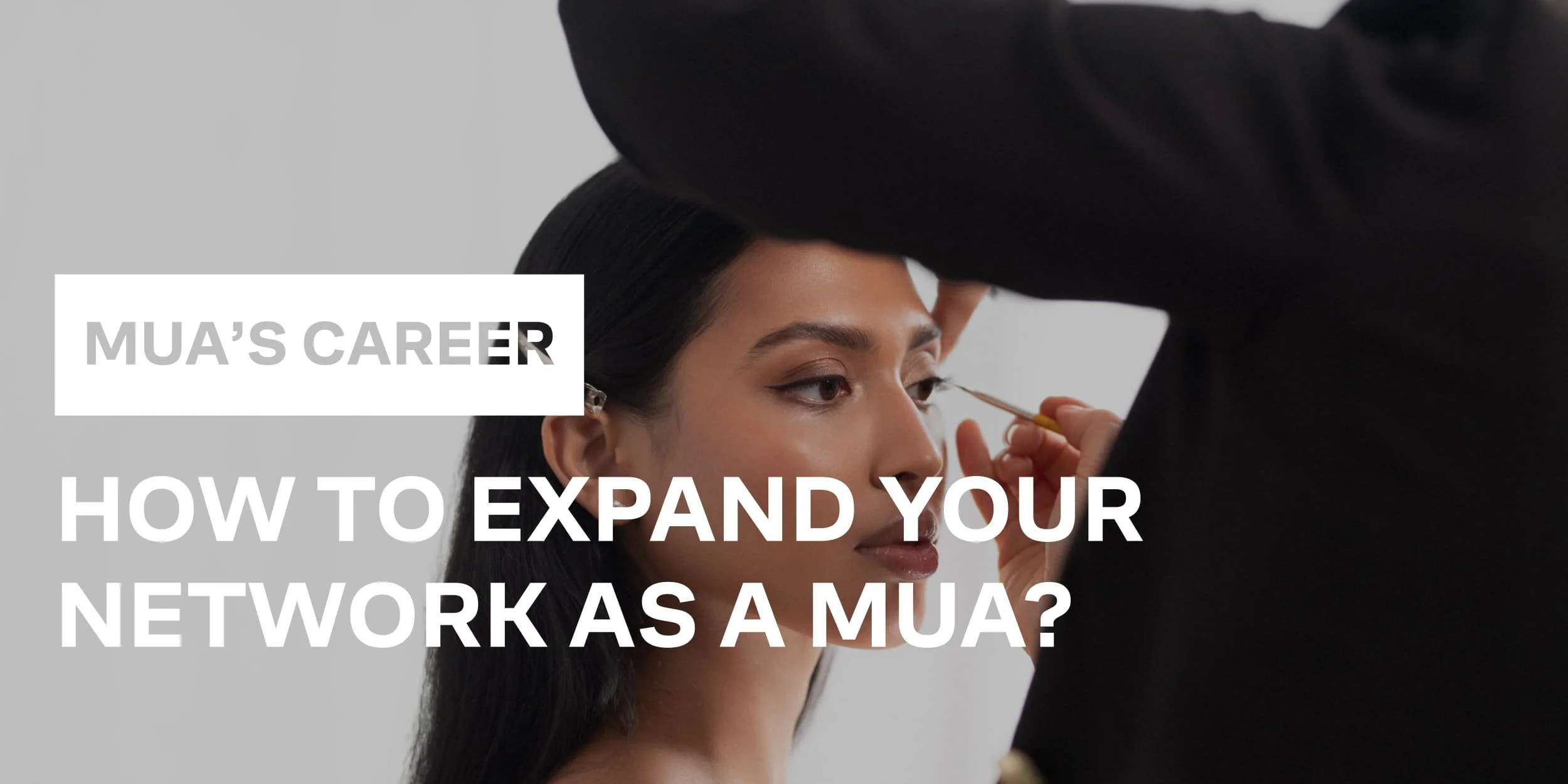
Getting inquiries is exciting. Losing them before the deposit lands is deflating, and it happens to nearly every new makeup artist until they build a reliable booking process. The gap between an interested prospect and a confirmed, paid client isn't talent. It's process. How fast you respond, what you ask, how you quote, how you present your contract, and how you handle the deposit request all determine whether an inquiry becomes revenue or a missed opportunity.
This guide walks you through the complete client booking process, from the moment an inquiry arrives to the moment a signed contract and deposit confirm the date. Build this system once, run it consistently, and your conversion rate from inquiry to booking will improve dramatically within the first month.
In this guide, you'll learn:
How to respond to an inquiry in a way that gets a reply
The exact questions to ask during your consultation, and why each one matters
How to quote your services without underselling or losing the client
What every makeup artist contract must include
How to handle deposits, cancellations, and no-shows professionally
The pre-appointment workflow that sets every client up for a great result
Step 1: Respond Within the Hour, Speed Wins Bookings
The single most underestimated factor in booking conversion for makeup artists is response speed. A client who sends an inquiry is often reaching out to two or three artists simultaneously, the one who responds first, professionally, and with enough warmth to feel like a real person typically gets the booking. Not necessarily the most talented artist. Not necessarily the cheapest. The first responder with a compelling reply.
Aim to respond to every inquiry within one hour during business hours. This is not about appearing desperate, it is about respecting the client's time and demonstrating that you run a professional, organized operation. A bride planning her wedding is coordinating dozens of vendors simultaneously; an artist who responds the same day she reaches out signals that working with them will be smooth and reliable.
Your first response should accomplish three things: acknowledge their inquiry warmly, confirm you're available on their date (or note that you'll check and respond within a specific timeframe), and invite them to the next step, a consultation call or a brief intake form. Keep it concise. A wall of text in the first message is overwhelming; a warm, professional three to four sentences that move the conversation forward is the right calibration.
A simple, effective first response for a bridal inquiry looks like this:
"Hi [Name], thank you so much for reaching out, your wedding date sounds absolutely beautiful! I'd love to learn more about your vision. I do have [date] available, could we set up a quick 15-minute call this week so I can answer your questions and give you an accurate quote? I look forward to connecting."
Notice what this does: it's warm, it confirms availability immediately, and it propels the prospect toward a phone call, the highest-converting next step in the booking process, without asking them to commit to anything yet.
Step 2: Run a Consultation That Builds Trust and Gathers What You Need
The consultation, whether by phone, video call, or in person, is the most important step in the booking process. It is where you gather the information you need to quote accurately, where the client decides whether they trust you, and where you establish the professional tone that sets expectations for the entire working relationship.
Keep consultations to 15 to 20 minutes. Longer than that and you're giving away significant time before a single deposit has been paid. Shorter and you risk missing critical information that causes problems later. Come prepared with a mental checklist of what you need to know, and lead the conversation, don't wait for the client to volunteer information.
The essential questions every consultation must cover
What is the event date, location, and start time? This is non-negotiable information before any quote. Event timing determines your start time, which determines whether an early-morning fee applies. Location determines travel fees and logistics.
How many people need makeup services? A solo bride appointment is priced and timed completely differently from a bride plus six bridesmaids, a mother of the bride, and a flower girl. Get every name and service for the full party before quoting, scope creep on the day of an event is one of the most common sources of client conflict.
What look are you envisioning? Natural and glowing, full glam, editorial, soft romantic? Ask the client to share inspiration images before or during the call if possible. This tells you whether their vision and their budget are likely to align, and gives you the opportunity to set realistic expectations early, not on the wedding morning.
Are there any skin sensitivities, allergies, or conditions I should know about? This is a professional and legal necessity. Clients with rosacea, eczema, acne, psoriasis, or known product allergies require different product selections. Document the answer regardless of what it is, this protects both you and your client.
What is the lighting environment? Indoor ceremony with tungsten lighting? Outdoor summer wedding in full sun? Studio shoot under LED panels? Makeup that looks flawless in one lighting condition can look flat or over-powdered in another. Understanding the environment shapes every product and finish decision you make.
Will you be photographed or filmed? Photography and HD/4K video require specific product considerations, certain finishes reflect flash unflattering, certain powders look chalky on camera, and overall coverage tends to need to be higher than it would for a non-photographed event. Know this before you begin planning the look.
Where will the appointment take place? Your studio, their home, a hotel suite, a venue getting-ready room? You need to know what setup requirements you can expect, lighting availability, table access, power outlets, and how much travel is involved.
Have you worked with a makeup artist before? What did you love or want to do differently? This question surfaces valuable information: a client who says "last time the foundation looked cakey in photos" is telling you exactly what to avoid. A client who says "I've never had my makeup professionally done" needs more education and reassurance than an experienced client. Both require different approaches to the consultation.
Step 3: Quote Accurately, and Confidently
Quoting is where most new makeup artists either lose the booking or undervalue their work, and often both. The most common mistakes: quoting before gathering enough information, quoting too low because of anxiety about the client saying no, or failing to include fees that are a legitimate part of the service.
Build your quotes around four components:
Service rate: Your per-person rate for the service type, bridal makeup, event glam, editorial, SFX. This should reflect your market, your experience level, and your specialization. Research what artists in your city with comparable portfolio quality charge, and price within that range, not below it. Underpricing does not attract better clients; it attracts clients who don't value professional work.
Travel fee: A standard mileage fee for locations beyond a set radius from your base (typically 15 to 20 miles). Many artists charge $0.70 to $1.00 per mile each way beyond their base radius, or a flat rate for travel beyond a specific threshold. Include this in every quote where it applies, discovering a travel fee after a client has agreed to your service rate creates friction and erodes trust.
Early morning fee: Appointments before 8:00 or 9:00 AM typically incur a surcharge ($50 to $100 is standard) to compensate for the disruption to your own morning routine and setup time. Bridal bookings at large venues often start at 6:00 or 7:00 AM, be clear about this in your initial quote.
Kit fee (optional): Some artists charge a flat kit fee ($25 to $50) covering disposables, product usage, and sanitation supplies. This is more common in commercial and film work than bridal; include it if it's part of your pricing structure and disclose it clearly.
Present your quote in writing after the consultation, not verbally during the call. Send a clean, itemized breakdown via email within 24 hours of your conversation. This gives the client something to refer to, shows your professionalism, and prevents misunderstandings about what's included. When presenting your rate, state it directly without apology. "My bridal rate is $275 for the bride, and $150 per bridesmaid" is professional. "I was thinking maybe around $200, if that works for you?" is not.
Step 4: Use a Contract, Every Single Time, No Exceptions
A contract is not a formality, it is the document that protects your income, sets clear expectations for both parties, and gives you legal standing if a dispute arises. Working without a contract is one of the most financially costly mistakes a makeup artist can make, typically discovered for the first time when a client cancels without notice and expects a full refund, or disputes what services were agreed upon.
Every makeup artist contract must include:
Full names and contact information for both the artist and the client
Event date, location, and start time
Complete list of services, every person, every service, nothing assumed
Total price and payment breakdown, deposit amount, balance amount, and when each is due
Deposit terms: Non-refundable retainer amount and the statement that the date is not held until the deposit is received and the contract is signed
Cancellation policy: What happens if the client cancels, at 30 days out, at 14 days, at 48 hours. Many artists state that the deposit is forfeited on any cancellation, and that cancellations within 14 days of the event forfeit 50% to 100% of the total
Artist cancellation clause: What you will do if you are unable to fulfill the booking, provide a replacement artist of comparable skill, or issue a full refund. This protects the client and demonstrates professionalism
Allergy and sensitivity disclosure: A field for the client to disclose known skin sensitivities, allergies, or conditions, with their initials confirming they have disclosed all known information
Late arrival policy: Most contracts specify a per-15-minute late fee (typically $25) and state that the artist cannot guarantee completion of all services if the party runs significantly behind schedule
Photo usage rights: Whether you have permission to photograph the client's completed makeup and use those images for your portfolio and marketing
Contract templates for makeup artists are available through GlossGenius, HoneyBook, and legal template marketplaces. Have a qualified professional review your contract before using it, the cost of a one-time legal review is negligible compared to the income protection a solid contract provides. Once your template is ready, send it via a digital signature platform (DocuSign, HoneyBook, or a PDF with e-signature) alongside your deposit invoice so both can be completed in a single step.
Step 5: Collect Your Deposit, and Don't Hold Dates Without One
The deposit exists for one reason: it converts an expression of interest into a financial commitment. Until a client has paid a deposit, they have no real incentive to show up, not book another artist, or not simply disappear. A verbal agreement is not a booking. A signed contract with no deposit is not a booking. A signed contract with a paid deposit is a booking.
Standard deposit amounts in the makeup industry range from 25% to 50% of the total service cost. For bridal work, 30% to 50% is typical, higher deposits are appropriate for high-demand dates (peak wedding season) or large bridal party bookings where losing the date represents significant lost income. State clearly in your contract and in your deposit request that the deposit is non-refundable and that the date is not held until it is received.
The most common friction point for new MUAs is the moment of asking for the deposit. It can feel uncomfortable, like you're being presumptuous before the client has fully decided. Reframe it: you are asking the client to confirm their booking, not asking them for a favor. A simple, direct line in your follow-up email covers it professionally: "To confirm your date and reserve my services, I'll need your signed contract and a 30% deposit of $[amount]. Both can be completed at the link below."
If a client pushes back on the deposit or asks to hold the date without one, decline politely and firmly: "I completely understand, I'm just unable to hold dates without a confirmed deposit, as I turn away other inquiries once a date is reserved. Happy to send everything over whenever you're ready to confirm." This is not aggressive; it is professional boundary-setting that clients who intend to book respect immediately.
Step 6: The Pre-Appointment Workflow That Sets Up Every Job for Success
Once the contract is signed and the deposit is paid, your booking isn't over, your client relationship has just started. The pre-appointment experience shapes how the client feels going into the appointment, how prepared they are, and ultimately how smooth the actual session runs.
Send a confirmation email 48 to 72 hours before every appointment. Include the confirmed appointment time, the location, parking details if relevant, your phone number for day-of contact, and a clear skin prep guide. Skin prep is one of the highest-impact things a client can do to improve their results, and most clients have no idea what it involves without guidance.
A simple skin prep guide to include in your pre-appointment email:
Arrive with clean, moisturized skin. No heavy skincare, no self-tanner, no facial treatments within 48 hours of the appointment.
Avoid waxing, threading, or facial exfoliation within 48 hours, freshly treated skin is sensitive and can react to products.
Arrive without makeup unless you're getting a trial and want to show your artist your current look first.
Bring your inspiration images, screenshots saved to your phone are perfect.
Wear a top that opens at the front to avoid disrupting your makeup when getting dressed after the appointment.
This guide takes two minutes to send and prevents the most common day-of complications: clients arriving with heavy makeup that needs to be removed (costing setup time), freshly waxed skin that reacts to product, or no clear inspiration direction that leads to a back-and-forth during the session.
Step 7: After Every Appointment, Lock in the Referral
The appointment ending is not the end of the booking process. It's the beginning of your referral pipeline. What you do in the 24 to 48 hours after every client appointment directly determines how many future bookings come from that single job.
Within 24 hours: send a brief, warm follow-up message thanking the client, expressing that you enjoyed working with them, and including a direct link to leave a Google review. This single ask, made consistently after every appointment, is what builds the review history that converts strangers into bookings. A direct link removes every barrier, the client doesn't have to search for your profile, they just tap and write.
Within 48 hours: post your best photo from the appointment to Instagram (with the client's permission, which your contract should cover) and tag them if they're on the platform. This generates visibility with the client's network, friends who see the tag and love the look are your next inquiry. It also shows the client you're proud of the work you did together, which reinforces their satisfaction and makes the referral ask feel natural.
For bridal clients specifically: give the bride three business cards at the end of the appointment to keep in her clutch. She will be asked about her artist by every bridesmaid, every guest who compliments her makeup, and every newly engaged friend for the next twelve months. A card already in her hand converts those conversations into inquiries without requiring her to remember your Instagram handle.
How OMA's Training Prepares You for the Business Side of Makeup
Technique gets you in the room. Professional systems keep your calendar full. OMA programs include dedicated business training covering client communication, pricing strategy, portfolio development, and the booking workflow covered in this guide, so graduates don't just know how to apply makeup professionally, they know how to run a makeup business.
If you're still building your skills and not yet taking clients, our guide to succeeding in your online makeup course covers how to maximize your training and build toward your first professional bookings. And when you're ready to scale your client base, our makeup artist marketing guide covers every channel that drives consistent bookings in 2026.
Ready to start building the skills that make clients book you? Explore OMA's programs →
Frequently Asked Questions
What questions should a makeup artist ask during a client consultation?
The eight essential consultation questions cover: event date, time, and location; number of people and services needed; the desired look and any inspiration images; skin sensitivities or allergies; lighting environment at the event; whether the event will be photographed or filmed; where the appointment will take place; and whether the client has worked with a makeup artist before and what they liked or wanted differently. These questions give you everything needed to quote accurately and plan the look correctly before the appointment.
How much deposit should a makeup artist charge?
Standard deposit amounts range from 25% to 50% of the total service cost. For bridal work, 30% to 50% is typical. The deposit should always be non-refundable, clearly stated in your contract, and required before the date is considered confirmed. A client whose date is not locked with a deposit has no real commitment to the booking, don't hold dates without one.
Do makeup artists need a contract?
Yes, every professional makeup artist should use a contract for every booking, no exceptions. A contract protects your income by defining your cancellation and no-show policy, prevents scope creep by listing every service explicitly, documents allergy disclosures to protect you legally, and establishes professional expectations that reduce disputes. Working without a contract means working without protection. The cost of a legal template review is minor compared to the income a single contract dispute could cost you.
How do makeup artists handle no-shows?
A non-refundable deposit is your primary protection against no-shows, a client who has paid 30% to 50% of their total is significantly more likely to show up than one who hasn't committed financially. For bridal bookings, your contract should state that if the bride or any party member is unavailable at the scheduled time, the artist is not obligated to extend the session beyond the contracted end time and that all deposit fees are forfeited. Send appointment confirmations 48 to 72 hours before every booking and request a confirmation reply, this surfaces any scheduling issues before the day of the appointment.
How soon should you respond to a makeup artist inquiry?
Within one hour during business hours is the professional standard for inquiry response time. In practice, the makeup artist who responds first, warmly, and with a clear next step (a consultation call or intake form) converts at a significantly higher rate than one who responds the next day. Clients who are actively planning an event are often reaching out to multiple artists simultaneously, speed of response is a genuine competitive advantage, not just a courtesy.
The Bottom Line
Every booking that falls through between the inquiry and the deposit represents real income lost, not because the client wasn't interested, but because the process broke down somewhere between first contact and financial commitment. Build a consistent system: respond fast, consult thoroughly, quote confidently, contract everything, collect your deposit before holding any date, and follow up after every appointment. The artists who run this process consistently are the ones whose calendars stay full, not because they're the most talented in their market, but because they're the most professional to work with.
About the Author: This article was produced by the editorial team at Online Makeup Academy, a professional beauty education institution based in New York City. OMA offers six accredited programs in makeup artistry with personalized instructor feedback, pro kits, and self-paced learning for students worldwide. | Last updated: April 2026