
Pro Makeup Tips That Will Change Your Beauty Routine

Introduction: Master the Art of Makeup Application
Whether you're an aspiring makeup artist or someone who loves perfecting their daily beauty routine, having the right techniques can make all the difference between good makeup and great makeup. Throughout years of working in the beauty industry, professional makeup artists develop a treasure trove of tips and tricks that transform their work from amateur to expert level.
The beauty industry is constantly evolving, with new products, techniques, and trends emerging regularly. However, the foundation of exceptional makeup artistry remains rooted in mastering fundamental techniques and understanding how to work with different products, skin types, and face shapes.
In this comprehensive guide, we're sharing 19 professional makeup tips that will elevate your makeup game, whether you're working on clients or perfecting your own look. These aren't just basic tricks; they're industry secrets that professional makeup artists use daily to create flawless, camera-ready looks.
Eye Makeup Tips: Perfecting Your Most Important Feature
1. Fix Mascara Mishaps Without Ruining Your Eyeshadow
Nothing is more frustrating than completing a perfectly blended eye look only to have mascara smudge onto your lid during application. Here's the professional solution:
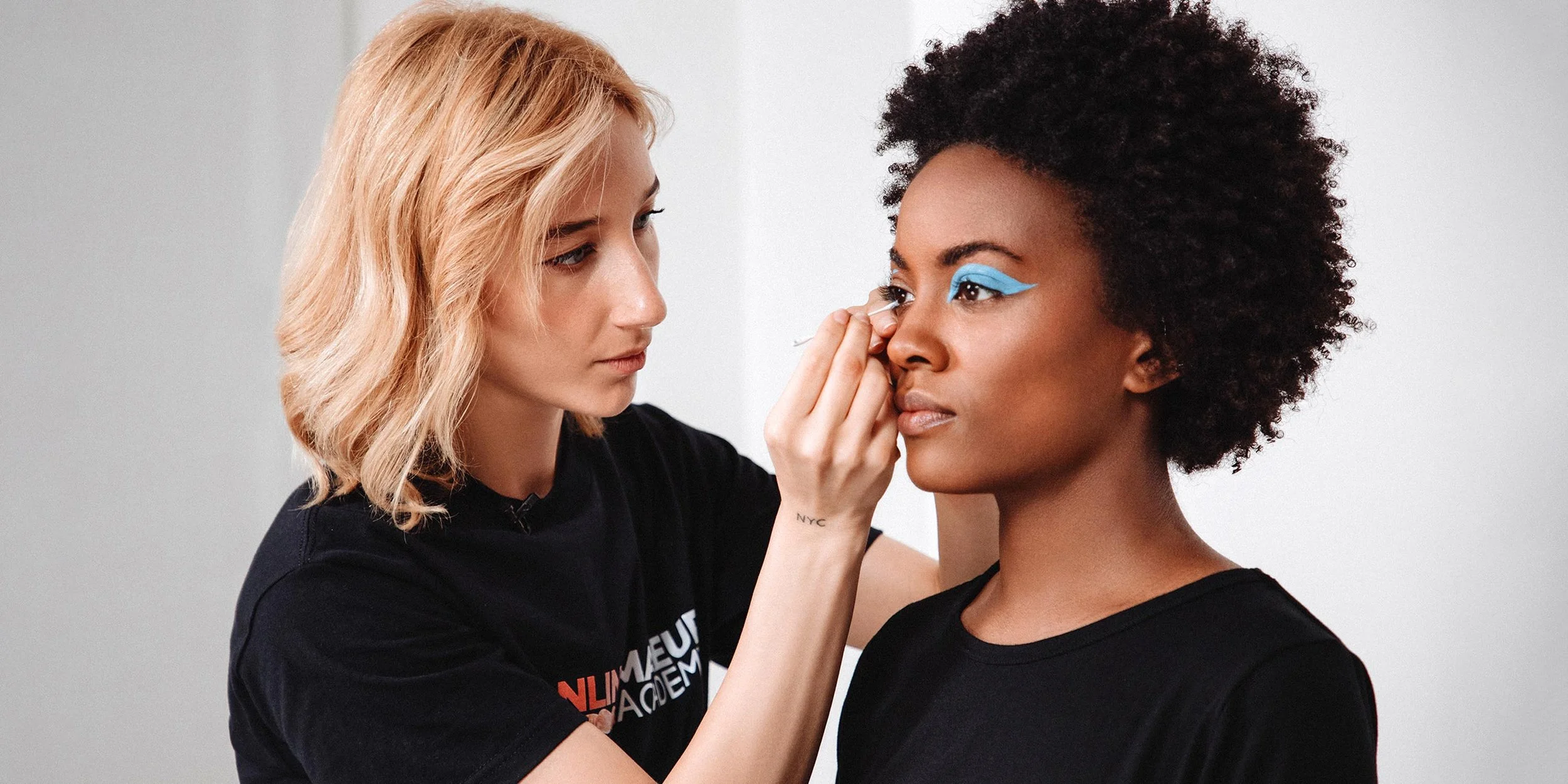
The Fix: Wait for the mascara to dry completely (this is crucial, don't rush it). Once dry, use a clean, dry cotton swab or Q-tip to gently remove the smudged mascara. The dried product will lift away cleanly without disturbing your eyeshadow underneath.
Pro Tip: For stubborn smudges, you can also use a clean spoolie brush to buff away dried mascara flakes.
2. Remove Excess Product for Clump-Free Lashes
If your mascara isn't performing as well as it should, creating clumps, spider lashes, or uneven application, the problem might not be the mascara itself. Often, there's simply too much product on the wand.
The Solution: Before applying mascara, wipe the wand on a clean tissue or paper towel, or use the rim of the mascara tube to remove excess product. This simple step will:
Prevent clumping
Allow for more controlled application
Create separated, defined lashes
Make your mascara last longer
3. Perfect Your Eyeliner Every Time
Even experienced makeup artists have days when eyeliner doesn't cooperate. The key is knowing how to fix mistakes rather than starting over.
Correction Methods:
For minor adjustments: Dip a cotton swab in eye cream and gently glide it over the imperfect area. The cream will dissolve the liner while moisturizing the delicate eye area.
For major corrections: Use a concealer with good coverage on a small, synthetic flat brush. Apply it precisely over the mistake, then blend the edges seamlessly into your skin.
Prevention Tip: Rest your elbow on a stable surface while applying liner for steadier hands.
4. Master the Art of Tightlining
Tightlining is one of the most underrated techniques in makeup artistry. This involves applying eyeliner to the upper waterline (between your lashes and your eye).
Why It's Essential:
Makes lashes appear dramatically thicker
Creates the illusion of fuller lash line
Makes eyeliner look more complete and professional
Perfect for those with sparse lashes
Application Method: Gently lift your eyelid and apply a waterproof gel liner or pencil directly to the waterline between the lashes. This technique requires practice but delivers incredible results.
5. Create Fuller Lashes Without Extensions
Not everyone is born with naturally thick, voluminous lashes, but you can fake it with this professional technique.
The Method:
Apply eye primer to your lids
Set the primer with translucent loose powder
Dust a small amount of the same powder onto your lashes using a clean spoolie
Apply mascara immediately
The powder creates extra texture on your lashes, giving the mascara more surface area to adhere to, resulting in dramatically fuller-looking lashes.
6. Highlight Your Waterline Safely
When creating smokey eyes or bold looks, highlighting the waterline can make eyes appear larger and brighter. However, product choice matters significantly here.
Important Guidelines:
Use: Gel eyeliners or eye pencils specifically designed for waterline use
Avoid: Regular eyeshadow in the waterline
Why: Eyeshadow particles can easily fall into your eye, causing irritation. Additionally, eyeshadow won't adhere properly to the wet waterline surface and will disappear within minutes.
7. Blend Dark Eyeshadows Like a Pro
Dark, dramatic eyeshadows can be intimidating to work with, but proper technique makes all the difference.
Professional Approach:
Start with a transition shade in your crease (a color 2-3 shades darker than your skin tone)
Build up the transition shade with windshield wiper motions
Apply your dark shade gradually, building intensity
Continuously blend with a clean brush between applications
Never leave harsh edges, unless you're creating editorial or avant-garde looks
Key Rule: Always blend darker eyeshadows. Unblended dark shadows look unfinished and unflattering in natural lighting.
8. Prevent Eyeshadow Fallout
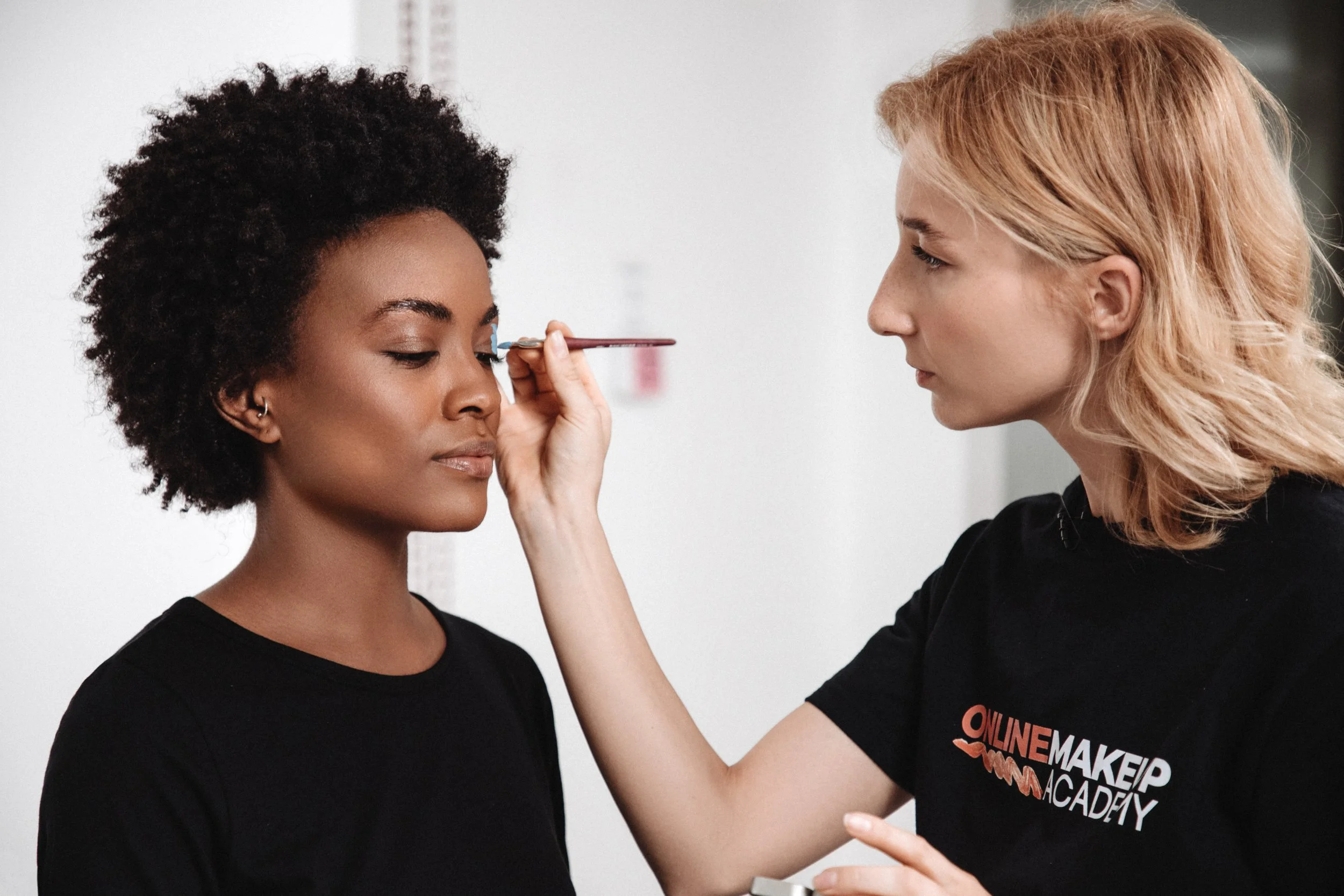
Working with dark, glittery, or loose eyeshadows often results in fallout that can ruin your under-eye area and foundation.
Prevention Methods:
Classic Method: Apply a generous amount of translucent powder under your eyes before doing eye makeup. When finished, dust away the powder along with any fallout.
Professional Tool: Use shadow shields, adhesive strips that protect the under-eye area during application.
Budget Option: Hold a tissue or makeup wipe lightly pressed under your lower lash line while applying fallout-prone shadows.
Face Makeup Tips: Creating Flawless Skin
9. Use Multi-Purpose Products Strategically
Professional makeup artists often use cream lipstick as blush for a naturally flushed, coordinated look.
How to Apply:
Ensure you're working on bare skin or liquid/cream foundation (never over powder)
Dab a small amount of cream lipstick onto the apples of your cheeks
Blend quickly using your fingers, a damp beauty sponge, or a stippling brush
Build color gradually for a natural, from-within glow
Benefits: This technique ensures your lips and cheeks are perfectly coordinated, and cream products create a more natural, skin-like finish.
10. Apply Blush Correctly for Every Age
One of the most common blush mistakes happens during application, especially when working with mature clients.
The Wrong Way: Asking clients to smile widely while applying blush. When they relax their face, the blush sits too low, creating an aged, droopy appearance.
The Right Way:
Have clients keep their face relaxed and neutral
Apply blush to the apples of the cheeks and blend slightly upward toward the temples
For mature skin, place blush slightly higher on the cheekbone for a lifting effect
Use a light hand and build gradually
11. Prioritize Sun Protection for Ageless Beauty
The single most important beauty tip for long-term skin health isn't about makeup at all, it's about sun protection.
Why It Matters: Daily SPF use prevents:
Premature wrinkles and fine lines
Age spots and hyperpigmentation
Skin texture damage
Skin cancer
Professional Recommendation: Apply broad-spectrum SPF 30 or higher every single day, even under makeup, even on cloudy days, even in winter. Your 60-year-old self will thank you.
Application Tip: Apply sunscreen 15 minutes before makeup application and allow it to fully absorb for better makeup adherence.
12. Upgrade Your Foundation Application
If you're still using brushes to apply foundation, it's time to discover the transformative power of beauty sponges.
Why Beauty Sponges Work:
Create an airbrushed, seamless finish
Prevent brush streaks and texture
Blend foundation into skin invisibly
Perfect for blending contour without harsh lines
Can be used damp for sheer coverage or dry for fuller coverage
Application Method: Dampen the sponge, squeeze out excess water, and bounce (don't drag) the sponge over your skin using a stippling motion.
13. Master the Quick Glam: Focus on Brows
When time is limited and you can't complete a full makeup look, prioritize your eyebrows above everything else.
Why Brows Matter Most: Well-groomed brows:
Frame your entire face
Create the appearance of a complete makeup look
Make you look polished and put-together
Take just 2-3 minutes to complete
Quick Brow Routine:
Brush brows into place with a spoolie
Fill in sparse areas with pencil or powder
Set with brow gel
Clean up edges with concealer if time permits
Brow Mapping: Creating Perfect Eyebrows
14. Follow Professional Brow Mapping Rules
Perfect eyebrows follow a specific formula that works for every face shape. Professional brow mapping ensures symmetrical, flattering brows every time.
The Three-Point Method:
Point 1 - Where Brows Begin:
Hold a makeup brush or brow pencil vertically alongside your nose
Where the brush aligns with your brow is where it should start
Both brows should start at this point for symmetry
Point 2 - Arch Placement:
Angle the brush from the side of your nose through the center of your pupil (looking straight ahead)
Where the brush intersects your brow is where the highest point of your arch should be
This creates a natural, flattering lift
Point 3 - Where Brows End:
Angle the brush from your nose to the outer corner of your eye
Where the brush meets your brow is where it should end
Brows should never extend beyond this point
Critical Rule: The beginning and end of your brow should be on the same horizontal plane. The end can be slightly higher but should never be lower, as this creates a drooping effect.
Lip Care and Application
15. Prep Lips for Flawless Color Application
Dry, flaky lips will make even the most expensive lipstick look terrible. Proper lip preparation is essential.
Exfoliation Methods:
Use a lip scrub with gentle circular motions
Alternatively, use a soft toothbrush to buff away dead skin
Exfoliate 2-3 times per week (daily if lips are very dry)
Hydration Protocol:
Apply a nourishing lip balm immediately after exfoliation
Use overnight lip masks for intense hydration
Keep lips moisturized throughout the day
Wait 5 minutes after applying balm before lipstick application
Result: Smooth, hydrated lips ensure lipstick applies evenly and lasts longer.
Makeup Removal and Clean-Up
1. Remove Mascara Smudges Correctly
Already covered in Eye Makeup Tips section above.
3. Fix Eyeliner Mistakes Professionally
Already covered in Eye Makeup Tips section above.
5. Use Natural Makeup Removers
For those preferring natural, gentle makeup removal, coconut oil is an excellent option.
Benefits of Coconut Oil:
Effectively dissolves waterproof makeup
Moisturizes skin while cleansing
Gentle on sensitive skin and eyes
Affordable and multi-purpose
Application: Apply coconut oil to a cotton pad and gently wipe over makeup. Follow with your regular cleanser to remove oil residue.
16. Remove Glitter Efficiently
Glitter creates stunning festive looks but can be notoriously difficult to remove. Here's the professional method:
The Tape Method:
Use regular adhesive tape (Scotch tape works well)
Press the tape gently onto glittered areas
Peel away slowly and carefully
Repeat until all glitter is removed
Follow with gentle cleanser
Safety Note: Be extremely gentle around the delicate eye area. Never pull or tug the skin.
False Lashes: Application Secrets
17. Prevent the Dreaded Lash Glue Stick
One of the most uncomfortable moments in makeup application is when lash glue causes upper and lower lashes to stick together, making it difficult for clients to open their eyes.
The Professional Solution:
Don't ask clients to close their eyes during lash application
Do ask them to look down while keeping eyes open
This keeps lashes separated and prevents glue contact between upper and lower lashes
Additional Tips:
Use lash glue sparingly (less is more)
Allow glue to become tacky before application (30-40 seconds)
Position lashes precisely before pressing down
Smart Shopping and Product Selection
18. Shop Smarter, Not More
The beauty industry releases hundreds of new products monthly, making it tempting to constantly purchase the latest launches. However, smart shopping saves money and prevents disappointment.
Professional Shopping Strategy:
Before Purchasing:
Research thoroughly: Read multiple reviews from trusted sources
Watch video reviews to see actual performance
Check swatches on similar skin tones to yours
Assess whether you actually need the product or just want it
Compare with products you already own
Testing Protocol:
Request samples when possible
Test in-store if available
Purchase from retailers with good return policies
Start with one product from a new brand before investing in multiple items
Realistic Expectations:
Most "groundbreaking" products are variations of existing formulas
What works for influencers may not work for your skin type
Expensive doesn't always mean better
Your current products might already be perfect for you
Key Principle: Build a curated collection of products that work specifically for YOU rather than accumulating everything new that launches.
Embracing Your Unique Beauty
Finding What Works for YOUR Face
The beauty industry often promotes a one-size-fits-all approach to makeup, but the reality is far more nuanced.
Important Reminders:
Individual Differences Matter:
Eye shapes vary dramatically (hooded, deep-set, protruding, almond, round, monolid)
Face shapes require different contouring and highlighting approaches
Skin types (oily, dry, combination, sensitive) react differently to products
Skin tones and undertones affect how colors appear
Personal preferences and lifestyle influence product choices
It's Okay When Things Don't Work:
Not every viral technique will suit your features
Not every cult-favorite product will work for your skin
Some trends simply won't flatter your face shape
This is completely normal and expected
Your Journey:
Experiment with different techniques and products
Learn from mistakes and unsuccessful attempts
Celebrate when you find products and methods that work for you
Remember that makeup is meant to enhance your natural beauty, not change who you are
Be patient with yourself, mastery takes time and practice
Conclusion: Continuous Learning in Makeup Artistry
Whether you're pursuing professional makeup artistry or perfecting your personal makeup routine, remember that makeup is both an art and a skill that improves with practice, patience, and continuous learning.
Key Takeaways:
Master the Basics: Foundation techniques like proper blending, brow mapping, and color theory never go out of style
Practice Regularly: Consistent practice builds muscle memory and confidence
Stay Curious: Keep learning from tutorials, other artists, and experimentation
Invest Wisely: Quality tools and products that work for YOUR needs matter more than quantity
Embrace Your Uniqueness: What works for others may not work for you, and that's perfectly fine
Take Your Skills Further with Online Makeup Academy
Ready to transform your passion for makeup into professional expertise? Online Makeup Academy offers comprehensive courses designed to take you from beginner to certified makeup artist. Our programs cover:
Professional Makeup Techniques: Master advanced application methods
Color Theory and Face Shapes: Learn to customize looks for every client
Business Skills: Build a successful makeup artistry career
Hands-On Training: Practice with real-world scenarios
Industry Insights: Learn from working professionals
Start Your Journey Today: Whether you dream of working in bridal makeup, editorial shoots, film and television, or building your own makeup business, Online Makeup Academy provides the education, certification, and support you need to succeed.
Frequently Asked Questions
How long does it take to become good at makeup application?
Like any skill, makeup proficiency varies by individual. Most people see significant improvement within 3-6 months of regular practice. Professional-level expertise typically requires 1-2 years of dedicated practice and education.
What are the essential makeup brushes every beginner needs?
Start with these five: a foundation brush or beauty sponge, a fluffy blending brush for eyeshadow, a flat shader brush for eyeshadow placement, an angled brush for brows and liner, and a fluffy powder brush.
How do I prevent makeup from looking cakey?
Use light layers, blend thoroughly, choose the right formula for your skin type, set only where needed (T-zone), and use a setting spray to meld everything together. Less is often more.
Should I do eye makeup or face makeup first?
For dramatic eye looks with potential fallout, do eyes first. For everyday makeup, it's personal preference. Many professionals do eyes first to prevent foundation disruption.
How often should I replace my makeup products?
Mascara: every 3 months; liquid eyeliner: 3-6 months; liquid foundation: 6-12 months; cream products: 6-12 months; powder products: 2 years. Always discard if the smell, texture, or color changes.
What's the difference between drugstore and high-end makeup?
While high-end brands often have superior formulations and textures, many drugstore products perform exceptionally well. The key is finding what works for your specific needs, regardless of price point.