
What to Wear as a Makeup Artist: The Pro Image Guide

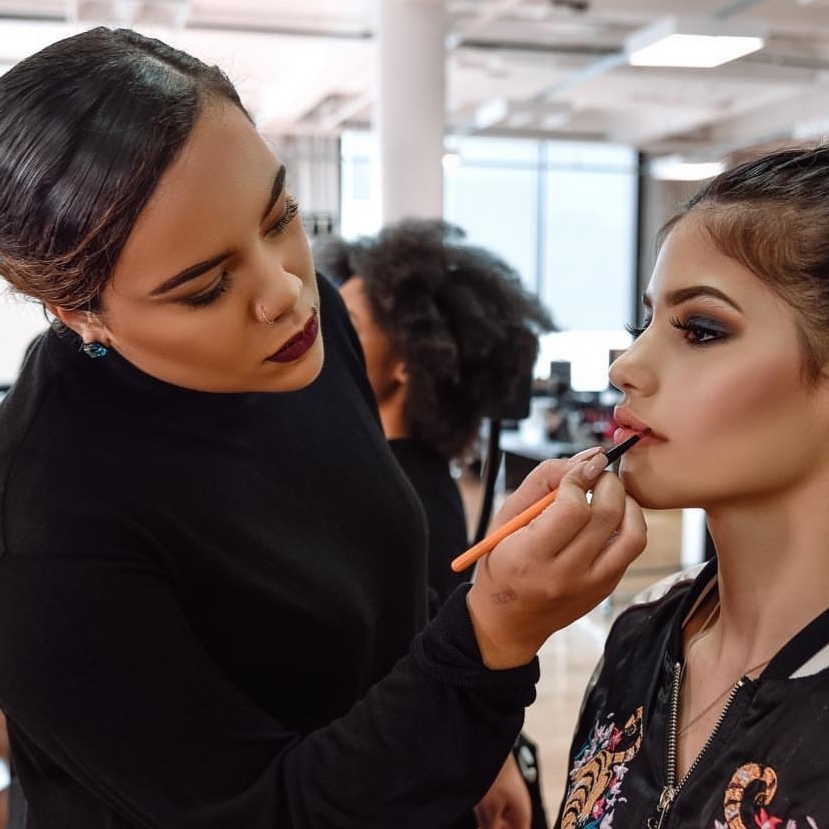
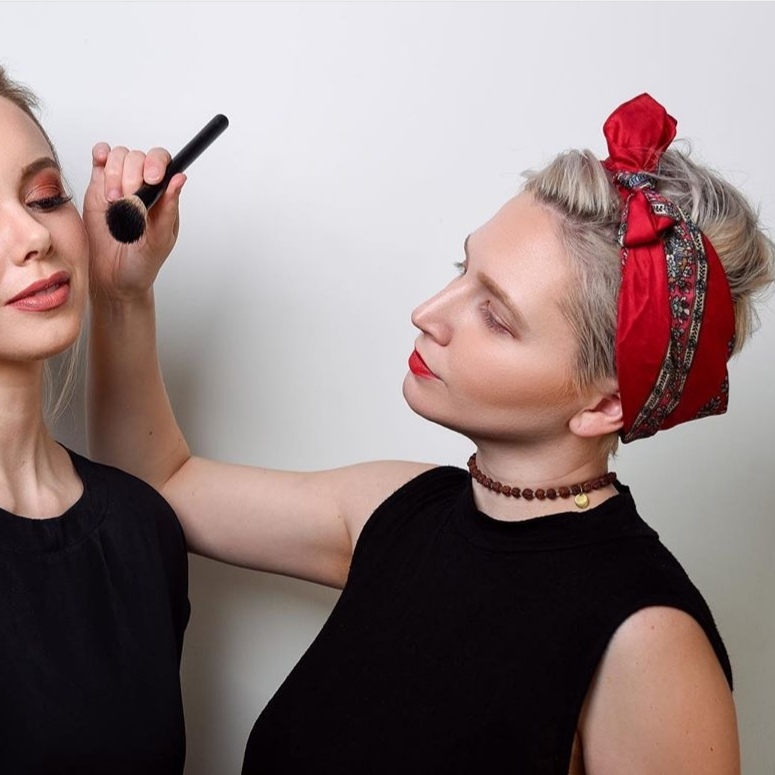
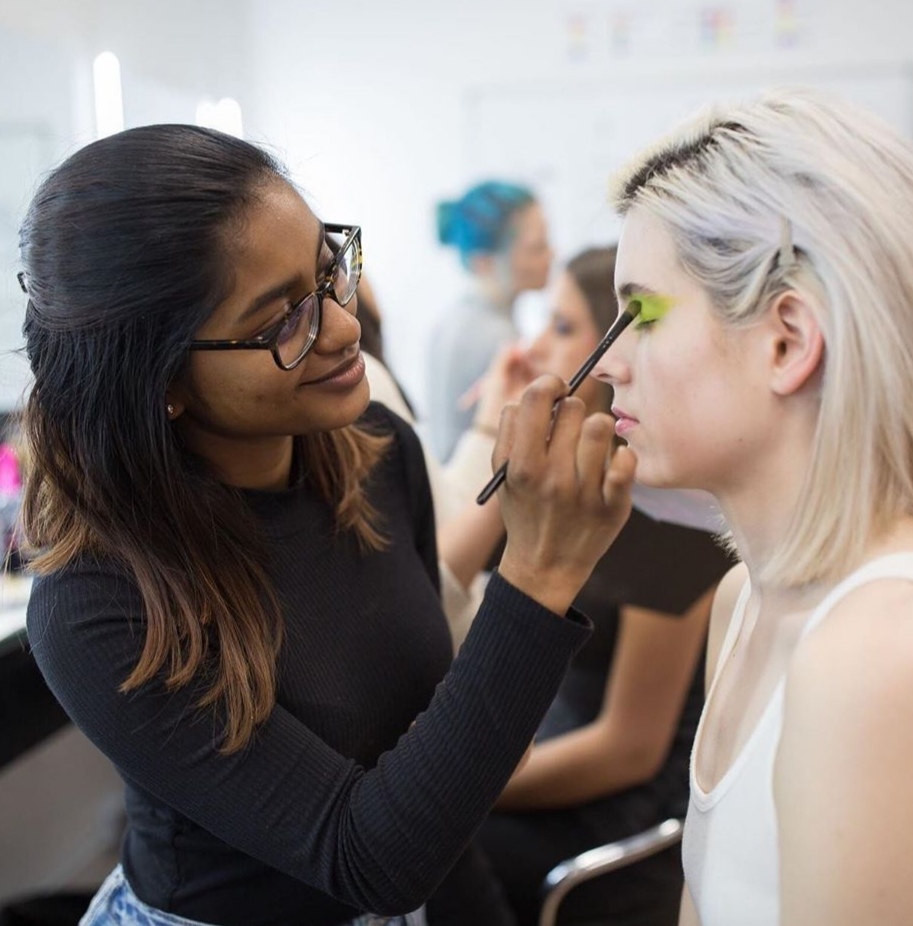
What should you wear as a makeup artist? Clean, comfortable, all-black or neutral clothing that keeps the attention on your client, paired with tidy grooming, supportive shoes, and minimal jewelry. Your work outfit is not about fashion for its own sake. It is a uniform that signals you are a professional, protects your clothes from product, and keeps you comfortable through long days on your feet.
Here is the part new artists miss: clients decide whether they trust you in the first few seconds, long before you pick up a brush. The way you present yourself is part of the service you sell. A polished, intentional image tells a bride, a photographer, or a creative director that their face is in capable hands. This guide breaks down exactly what to wear as a makeup artist, why the industry leans on an all-black dress code, and how to groom and accessorize so your appearance works for you instead of against you.
In this guide, you'll learn:
Why the all-black dress code became the makeup industry standard
Exactly what to wear (and what to avoid) for freelance, retail, and on-set work
How to build a comfortable, professional work outfit step by step
How hair, nails, jewelry, and your own makeup shape the impression you make
Why do makeup artists wear all black?
Makeup artists wear all black because it keeps the focus on the client, hides product stains, and reads as instantly professional. There is no official rule book, but black is the closest thing the industry has to a uniform, and the reasons behind it are practical, not arbitrary.
The tradition started in live theater. Backstage crew wore black so they could keep working in the wings without being seen by the audience against the dark curtains and walls. That mindset carried into film, photo, and beauty work, where staying visually invisible while you do your job is a feature, not a flaw.
On set, the practical reasons stack up fast. You can end up in the actor's eye line (the direct line of sight the camera and the subject share), and bright colors pull focus or even get caught in the lens. Saturated clothing also bounces color onto your client's skin, which throws off your read of their true skin tone right when you are matching foundation. And because you will inevitably get product on yourself, black hides foundation swipes and powder far better than pastels or white ever could. Black simply looks current and pulled together, and it rarely looks sloppy.
Does it have to be black, exactly?
No. The principle is muted, not loud, so charcoal, grey, taupe, beige, and navy all work in the same spirit. Retail counters such as MAC or Sephora often require black as a brand standard, so if you work a counter, follow their dress code. Freelancers have more latitude, but most still default to black or soft neutrals because the logic holds no matter where you work.
What should you actually wear to a makeup gig?
Start with comfortable, well-fitting black pieces you can move in, then build from there. You will be reaching, bending, and kneeling for hours, so the goal is clothing that looks intentional and lets you work without fussing or adjusting.
For tops, choose a fitted (but not tight) black tee, tank, or blouse with a neckline that is not low cut, since you will be leaning toward your client and your kit constantly. For bottoms, reach for tailored trousers, dark jeans, or structured leggings that are fully opaque rather than sheer. Add a blazer or cardigan as a layer that elevates the look and lets you adapt when a location runs cold. Two more items pull the whole thing together: an apron or cape to protect your clothing from spills, and a brush belt (a waist-worn holster that keeps your brushes and tools within instant reach).
Freelance versus retail counter versus film set
Your exact look should flex with the job. For freelance and bridal work, lean smart and understated: black base, a blazer, and comfortable flats. For a retail counter, follow the brand's mandated black and keep your own makeup polished and on-brand. For a photo or film set, go all black to stay out of the eye line, pack warm layers for location days, and wear flat shoes you can move in quickly. If you want to refine the tools that ride on your brush belt, our guide to building a professional makeup kit walks through the essentials.
How do you put together a makeup artist work outfit?
Building a reliable work outfit is a repeatable process, not a guessing game. Use this sequence and you will look professional and stay comfortable on any job.
Start with an all-black base. Pick a fitted top and comfortable trousers or dark jeans you can bend, reach, and kneel in without thinking about them. This is the foundation every other choice builds on.
Choose supportive closed-toe shoes. Flats or clean sneakers with cushioned soles are ideal, and break them in before the job. You will be on your feet for hours, so support beats style every time.
Layer smart. Add a blazer or cardigan you can remove easily. Locations run hot or cold and you almost never control the thermostat, so portable warmth keeps you focused.
Add a brush belt or apron. Keep your tools at your waist and product off your clothes. A clean, organized setup also signals professionalism to anyone watching you work.
Keep jewelry minimal. Stick to stud earrings, a wedding band, or a snug ring. Skip anything that dangles, catches on product, or has sharp edges that could scratch a client.
Do a client's-eye-view check. Before the client arrives, sit where they will sit and look at yourself the way they will. If anything pulls focus or reads as messy, change it now.
What about hair, nails, hands, and scent?
Your grooming matters as much as your clothes because you work inches from your client's face, and every detail is on display up close. Polished grooming is the fastest, cheapest way to look like a pro.
Keep your hair tied back, pinned, or braided so it stays out of your face and never brushes against your client. Keep your nails short, clean, and filed, with clear or neutral polish, because long or chipped nails can scratch skin and read as careless. Wash and moisturize your hands, since your client feels them on their skin throughout the appointment, and sanitize between clients without exception. Finally, mind your scent: skip heavy perfume (clients can be sensitive or allergic), keep your breath fresh, and if you smoke, neutralize the smell completely, because second-hand smoke is overwhelming at close range.
Personal grooming is only half of cleanliness. The other half is your kit and your workspace, and clients absolutely notice both. For the full breakdown of tool and product safety, see our guide to hygiene and sanitation for makeup artists.
Should you wear makeup yourself when working with clients?
Yes, but keep it clean, fresh, and aligned with the work you offer. Your own face is a live sample of your skill, so a polished, well-blended everyday look quietly signals competence the moment a client sees you.
The mistake is going full glam when your client booked something soft. An over-the-top face on you can intimidate or confuse a client about what they are going to get, especially someone nervous about a natural look. Match your makeup to your portfolio and your offering so there is no disconnect between what you wear and what you sell. Lean polished and understated for a bridal morning or a corporate set, and save a bolder personal look for editorial or creative shoots where it fits the room.
How you look is one layer of the client experience, and how you communicate is the other. For the do's and don'ts of the appointment itself, read our guide on how to work with makeup clients.
What should a bridal makeup artist wear on a wedding day?
For bridal work, dress smart, neutral, and camera-safe, because you will almost certainly end up in the getting-ready photos. Wedding mornings are long, often involve travel between rooms or venues, and put you on camera whether you planned for it or not.
The first rule is simple: never wear white. The bride is in white, or in a white robe or pajamas during prep, and you do not want to compete with her or appear in her photos in the same color. Reach for black or soft neutrals such as grey, beige, or taupe, and add a blazer so you look elevated and intentional. Keep your nails done, your hair neat, and your shoes comfortable, and always bring a layer, because old venues, churches, and outdoor setups can be cold or poorly lit. If bridal is where you want to build your business, our Bridal Makeup and Hair course covers the full client experience from trial to wedding day.
What should you never wear as a makeup artist?
A few wardrobe choices undermine your professionalism before you say a word. Avoid these and you sidestep the most common image mistakes new artists make.
Anything revealing or see-through: low-cut tops and sheer leggings read as unprofessional and can make clients uncomfortable, especially when you bend toward your kit. Choose modest, opaque pieces.
Loud colors and busy prints: bright clothing reflects onto skin, distracts on set, and competes with your client for attention. Keep your palette muted.
Dangling or sharp jewelry: long necklaces catch on product and clients, and rings with sharp edges can scratch skin. Go minimal and snug.
Strong perfume or lingering smoke: heavy scent and second-hand smoke are overwhelming at close range and can trigger sensitive clients. Stay neutral and fresh.
Brand-new or uncomfortable shoes: a blister mid-gig wrecks your focus and your posture. Break shoes in first and prioritize support over style.
Heavy glam that clashes with the booking: a dramatic face on a natural booking confuses the client about what they are getting and can cost you their trust.
How Online Makeup Academy helps you build a professional image
Looking the part is one piece of the puzzle. The business and professionalism behind it is what turns first-time clients into regulars who refer their friends. At Online Makeup Academy, our certification programs go beyond application technique to cover branding, client communication, and how to run a professional makeup business, so your image and your skills tell the same story.
Our Master Makeup Artist program builds your technical foundation with personalized video feedback from working NYC artists, while the Elite Career Path adds in-depth business, branding, and marketing training for artists who want to build a full freelance career. Wherever you are starting from, you will graduate ready to look, work, and get booked like a professional. Explore our programs and start building your image today.
Frequently Asked Questions About Makeup Artist Image and Dress Code
Do makeup artists have to wear all black?
There is no mandatory uniform, but all black is the industry standard because it keeps focus on the client, hides product stains, and avoids reflecting color onto skin. Retail counters often require it as a brand rule, while freelancers have more freedom but usually still default to black or soft neutrals.
What shoes should a makeup artist wear?
Closed-toe, supportive, cushioned shoes that you have already broken in. Flats or clean sneakers are the go-to choices. You will stand for hours, so comfort and support matter far more than how fashionable the shoe looks.
Can I show my personal style as a makeup artist?
Yes. Your image is an extension of your brand, so express yourself within professional limits. Keep your palette muted, your fit modest, and your look client-focused, and let small details like a well-cut blazer or a signature accessory carry your personality.
What should I wear on a film or photo set?
All black to stay out of the actor's eye line and avoid color reflection, flat shoes you can move in quickly, and warm layers for cold locations. Keep your tools organized in a brush belt so you can do fast touch-ups without breaking the flow on set.
How much does my appearance affect getting booked?
A lot. Clients form a trust judgment within seconds, and you are a walking sample of your own work. A polished, intentional image supports referrals and repeat bookings, which is why presentation is one of the simplest ways to build a loyal client network.
The Bottom Line
What to wear as a makeup artist comes down to one principle: keep the focus on your client and your work. Clean all-black or neutral clothing, supportive shoes, tidy grooming, and minimal jewelry tell every client that they are in professional hands before you apply a single product. Your image is not vanity, it is part of the service, and it is one of the easiest ways to build trust, earn referrals, and look like the artist you are becoming.
Ready to take your makeup skills to the next level? Explore Online Makeup Academy's programs →
About the Author: Nina Mua is the Founder of Online Makeup Academy and a professional beauty educator with years of experience training makeup artists for freelance, bridal, retail, and on-set work. She has helped thousands of students build the skills, image, and business sense to launch professional careers. | Last updated: June 2026